 11
11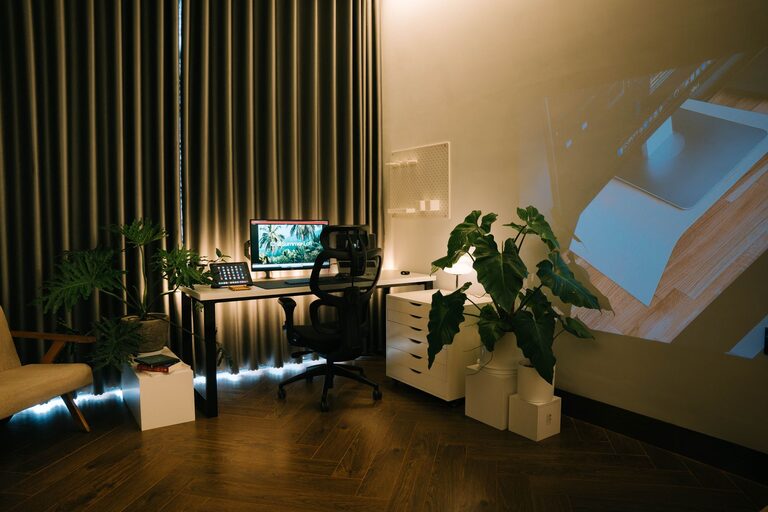
Creating a relaxing home workspace is essential for maintaining focus, reducing stress, and encouraging productivity. Whether you work remotely full-time or occasionally need a quiet spot to tackle projects, a well-designed and calming environment can make a significant difference in how you feel and perform throughout the day.
In this post, we’ll explore practical tips to help you create a workspace at home that promotes relaxation and efficiency.
A cluttered or uncomfortable workspace can contribute to distractions, fatigue, and burnout. On the other hand, a calming environment supports concentration, creativity, and overall well-being. When your workspace feels inviting and soothing, it becomes easier to stay motivated and enjoy your work.
Select a space in your home with minimal noise and traffic. A corner in a spare room, a section of your bedroom, or even a nook near a window can work well. The key is to minimize interruptions so you can focus.
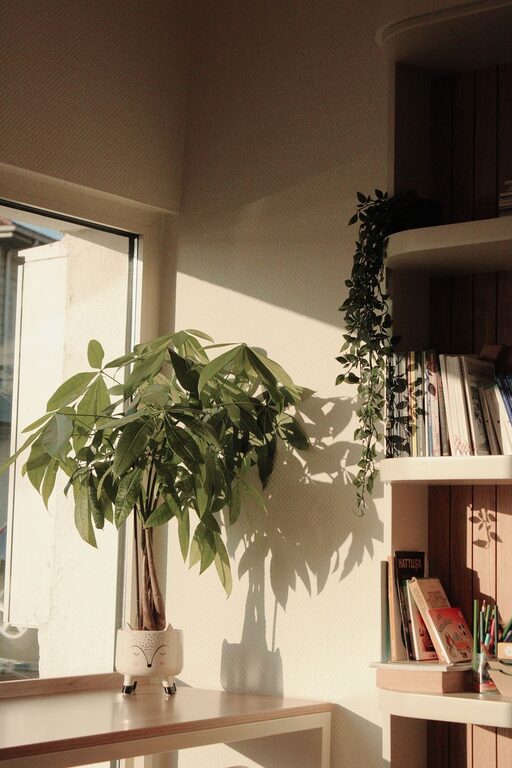
Natural light is beneficial for boosting mood and energy levels. Position your desk near a window whenever possible, but avoid glare on your screen. If natural light is limited, invest in soft, warm lighting to reduce eye strain.
A tidy space helps your mind feel clear. Remove unnecessary items from your desk and storage areas. Use organizers like trays, file holders, or drawer dividers to keep things neat.
Keep only the tools and supplies you use daily within arm’s reach. This might include your computer, notebooks, pens, and chargers. Store other items nearby but out of sight.
Choose an adjustable chair with good lumbar support to protect your back during long hours of sitting. Pair it with a desk at the right height for comfortable typing and writing.
Incorporate items like a cushioned chair pad, a cozy blanket, or a soft rug to add warmth and comfort to your space.
Ensure your workspace has good ventilation and a comfortable temperature. Use a fan, heater, or air purifier as needed to maintain a pleasant atmosphere.
Colors like soft blues, greens, and neutrals are known to promote relaxation. Consider painting your workspace walls or adding accessories in these shades.
Indoor plants improve air quality and add a touch of nature that can lower stress and increase focus.
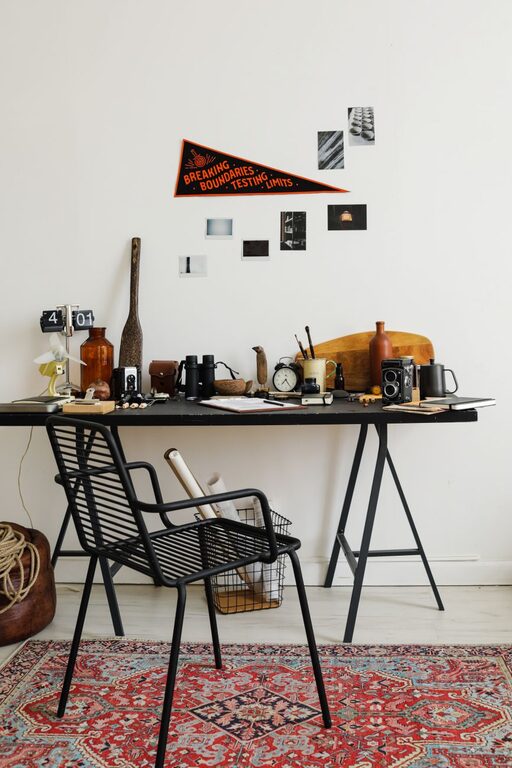
Include a few meaningful photos, artwork, or motivational quotes that bring positivity without overcrowding your space.
Silence non-essential notifications and use apps or settings that limit distractions. If possible, separate work devices from personal ones.
Create clear start and end times for work to help separate professional and personal life. Communicate your schedule to family members or housemates to reduce interruptions.
Use breaks to stretch, breathe deeply, or step outside briefly. This helps relieve tension and refreshes your mind.
Consider adding a diffuser with calming scents such as lavender or eucalyptus to enhance relaxation.
Gentle instrumental music or nature sounds can improve concentration and create a peaceful ambiance.
To keep your home workspace relaxing over time, commit to weekly tidying and reassessing comfort. Adjust lighting, seating, or layout as needed to suit changing preferences or work demands.
—
Creating a relaxing home workspace doesn’t require a complete overhaul or expensive purchases. By selecting the right location, organizing thoughtfully, prioritizing comfort, and minimizing distractions, you can build an environment that supports both productivity and well-being. Start with small changes today, and enjoy the positive impact on your work and mood.