
 11
11
Living in a noisy environment can be stressful and disruptive. Whether you’re trying to work, relax, or sleep, unwanted sounds can impact your comfort and well-being. The good news is that there are simple, practical ways to reduce noise at home without major renovations or expenses. This guide will walk you through easy strategies to create a calmer, quieter space.
Noise comes from various sources—traffic, neighbors, appliances, and even inside your own household. Identifying the main sources of noise is the first step toward addressing the issue effectively.
Common noise sources include:
– Street and traffic sounds
– Loud conversations or footsteps from adjacent rooms
– Household appliances like washing machines or vacuum cleaners
– Electronics and entertainment systems
Once you know where noise enters your home, you can choose the right methods to minimize it.
Hard surfaces reflect sound waves, increasing noise levels. Introducing soft furnishings can significantly reduce echoes and absorb sounds.
– Add area rugs or carpets to bare floors.
– Use thick curtains or drapes on windows.
– Incorporate cushions and upholstered furniture.
– Hang fabric wall art or tapestries.
These items act as natural sound absorbers, making your rooms quieter and cozier.
Noise often sneaks through small openings around windows, doors, and walls. Sealing these gaps helps block out unwanted sounds.
– Use weatherstripping tape around doors and windows.
– Apply caulk to seal cracks in walls or window frames.
– Install door sweeps to close gaps under doors.
– Consider using draft stoppers or door seals.
These inexpensive fixes prevent noise from leaking inside and improve energy efficiency too.
Furniture placement can influence how sound travels through your rooms.
– Place bookshelves or wardrobes against shared walls to act as barriers.
– Avoid empty spaces between furniture and walls where sound can bounce.
– Use bulky furniture to block noise coming through windows or doors.
– Position seating areas away from noise sources.
This simple rearrangement can reduce noise transmission and create quieter zones.
For more effective noise reduction, consider adding specific soundproofing materials.
– Acoustic foam panels absorb sound and reduce echo.
– Mass-loaded vinyl sheets add heavy layers to walls or floors.
– Soundproof curtains block outside noise and reduce indoor sounds.
– Door and window inserts improve insulation and noise blocking.
These materials vary in cost and installation complexity but offer noticeable improvements.
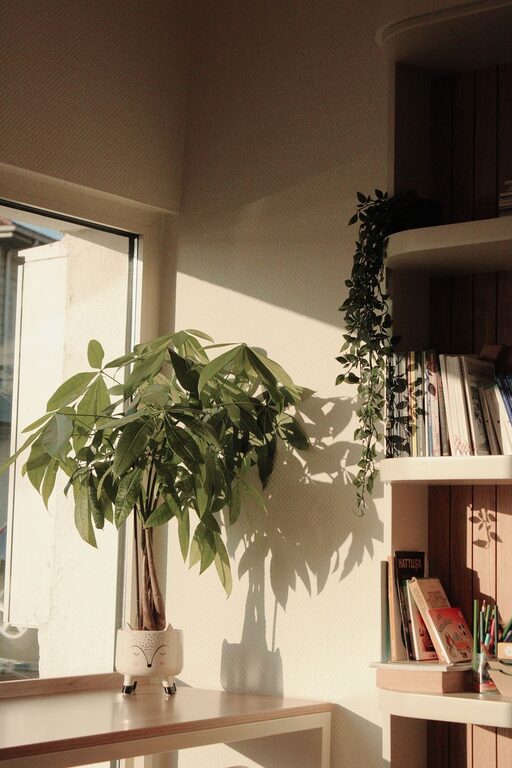
Indoor plants not only improve air quality but can also help absorb sound.
– Use large leafy plants in corners and near windows.
– Arrange clusters of plants in noisy rooms.
– Consider hanging plants or vertical gardens for sound absorption.
Plants add natural beauty while contributing to a quieter atmosphere.
Some noise comes from your own activities. Minimizing these can make a difference.
– Lower the volume on TVs, radios, and speakers.
– Use quieter appliances when possible.
– Place rubber pads under washing machines or other vibrating devices.
– Encourage family members to keep noise levels down during rest times.
Being mindful of indoor noise helps maintain a calm environment.
If you can’t eliminate all noise, masking it can help.
– Use white noise machines or apps to create a constant, gentle background sound.
– Play soft music or nature sounds to cover disruptive noises.
– Fans or air purifiers can also produce helpful ambient noise.
These sounds trick your brain to notice less of the sudden or irritating noises.
– Double-glazed windows provide better sound insulation than single-pane.
– Use heavy, lined curtains to block noise.
– Consider storm windows or inserts for added protection.
– Install solid-core doors instead of hollow doors.
– Add cork or rubber underlay beneath carpets for extra sound absorption.
– Use ceiling tiles designed to reduce noise if downstairs neighbors are loud.
– Hang soft materials from ceilings where possible.
– Hang bookshelves or art on walls to break up sound waves.
– Use wall panels designed for soundproofing.
– Consider adding an extra layer of drywall with soundproofing glue.
Reducing noise at home doesn’t have to be complicated or expensive. Simple steps like adding rugs, sealing gaps, rearranging furniture, and bringing in plants can make a big difference. For more persistent noise issues, investing in soundproofing materials or upgrading windows and doors can help you enjoy a peaceful, quiet home.
Creating a calm environment supports better rest, concentration, and relaxation. Try these tips to turn your home into a quieter, more comfortable refuge from the noise around you.