
 11
11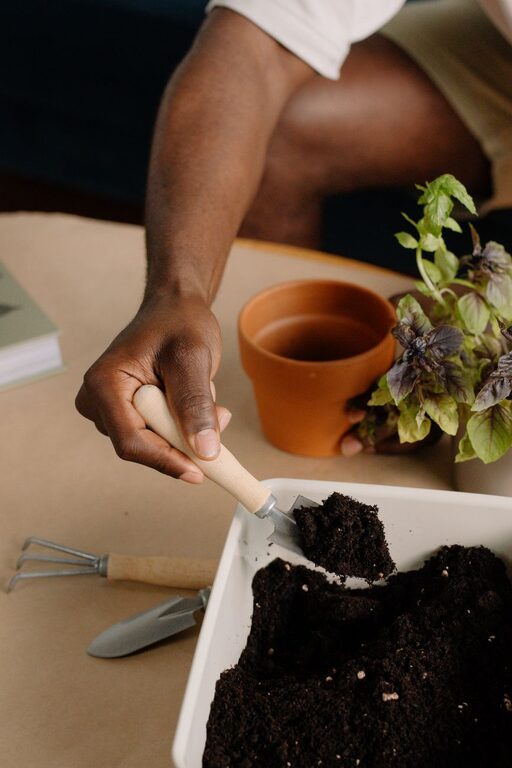
Growing a small herb garden indoors is a rewarding and enjoyable way to add fresh flavors to your meals while brightening your living space. Whether you have limited outdoor space or simply want easy access to herbs year-round, starting an indoor herb garden is easier than you might think. This guide will walk you through everything you need to know, from choosing herbs and containers to providing the right care.
Indoor herb gardens offer several benefits:
– Freshness: Pick herbs anytime for cooking or garnishing.
– Convenience: Herbs are right in your kitchen or living area.
– Aesthetics: Green plants add beauty and can improve air quality.
– Learning experience: Great for beginners and kids interested in gardening.
Start with herbs that are well-suited for indoor growth. Some of the easiest and most popular options include:
– Basil: Great for Italian dishes, likes warm and sunny spots.
– Parsley: Mild flavor, grows well indoors with moderate light.
– Thyme: Hardy herb, tolerates less light.
– Mint: Vigorous grower; keep in a separate pot to prevent spreading.
– Chives: Mild onion flavor, grows well on a sunny windowsill.
– Cilantro: Prefers cooler temperatures and bright light.
Select herbs based on your cooking preferences and the light conditions you can provide.
You can use a variety of containers for your indoor herb garden:
– Small pots: Terracotta or ceramic pots with drainage holes are ideal.
– Herb planters: Special indoor herb kits often come with multiple compartments.
– Recycled containers: Just ensure you add drainage holes to prevent waterlogging.
Use a high-quality potting mix formulated for indoor plants. Avoid garden soil, as it may contain pests or be too heavy. A well-draining mix helps prevent root rot.
Most herbs require plenty of natural light to thrive – about 6 hours of direct sunlight daily is ideal. A south-facing window is usually best, but east or west windows can also work.
If natural light is limited:
– Consider using grow lights designed for indoor plants.
– Place the garden near the brightest area available.
– Seeds: More affordable and offer more variety, but require patience and careful care during germination.
– Seedlings: Easier for beginners, as young plants are already established.
– Water when the top inch of soil feels dry.
– Herbs generally prefer consistent moisture but dislike sitting in water.
– Ensure proper drainage to avoid root rot.
– Use a balanced liquid fertilizer every 4-6 weeks during the growing season.
– Avoid over-fertilizing, which can reduce flavor intensity.
– Regularly pinch or trim herbs to encourage bushier growth.
– Harvest leaves from the top, leaving enough foliage for continued growth.
– Avoid cutting more than one-third of the plant at once.
Indoor herbs can occasionally attract pests like aphids or spider mites. Inspect plants regularly and wipe leaves with a damp cloth if needed. If infestations occur, use natural remedies like insecticidal soap.
– Leggy plants: Often due to insufficient light. Move herbs closer to the window or add grow lights.
– Yellowing leaves: Could indicate overwatering or poor drainage.
– Slow growth: Check for proper light and nutrients.
– Rotate pots every few days to ensure even light exposure.
– Use a humidity tray or mist herbs if your home is dry, especially in winter.
– Label your pots to keep track of different herbs.
– Experiment with different herbs to find your favorites.
Starting a small indoor herb garden is a fulfilling project that can brighten your home and meals alike. With a little planning and care, you can enjoy fresh herbs every day regardless of outdoor space or season. Ready to get started? Gather your containers, select your herbs, and enjoy the journey of indoor gardening!